
Speech Therapy for Late Talkers in Adelaide: What to Expect


If you’ve been wondering whether your child is talking as much as other kids their age, you’re not alone.
Some children start talking later than others. Children develop at different rates, and many late talkers catch up over time. Still, when a toddler is using fewer words than expected or finds it hard to communicate their needs, parents often wonder whether extra support could help.
Many Adelaide families find themselves searching for answers after noticing their toddler isn’t saying as many words as expected or isn’t using language to communicate the way they’d hoped. The good news is that seeking support early can make a real difference, and knowing what to expect from speech therapy for late talkers in Adelaide can help you feel more confident taking that first step.
At Nurture Allied Health SA, speech pathology is child-led, neurodiversity-affirming and focused on helping children communicate in ways that work for them. We understand that therapy is not about forcing children to communicate in a particular way. It is about understanding how they communicate and supporting their development.
What is a Late Talker?
A late talker is usually a young child who has fewer words than expected for their age, but whose development in other areas, such as understanding language, play, and motor skills, appears within a typical range.
Parents may notice that their child:
• Uses only a few words
• Relies on gestures instead of speech
• Becomes frustrated when trying to communicate
• Is difficult for unfamiliar people to understand
• Does not combine words into short phrases when expected
Late talking is common, but that doesn’t mean it should be ignored. A speech pathologist can help you understand whether your child’s communication is developing in their own unique way, or whether some extra support might be beneficial.
As a general guide, you might consider reaching out to a speech pathologist if your child:
• Isn’t saying any words by 12 months
• Has fewer than 50 words by 24 months
• Isn’t combining two words together by age two (e.g. “more milk” or “daddy go”)
• Is difficult to understand compared to other children their age
Every child develops differently, and a late-talking toddler in Adelaide may have all sorts of reasons for their communication style. That’s exactly why a thorough, personalised assessment is so important.
The First Step: Reaching Out to a Speech Pathologist
There is no perfect age to seek support. Getting started with late talker speech therapy in Adelaide begins with a simple conversation. At Nurture Allied Health SA, the process starts with a complimentary 15-minute phone consultation with a senior team member. This is a low-pressure opportunity to share your concerns and ask questions before committing to anything.
After your initial enquiry, you’ll be guided through a waitlist process. From there, the team works to match your child with the most suitable clinician for their needs. Families can access services at Nurture’s Beulah Park and Salisbury clinics, with telehealth also available.
What to Expect from Speech Therapy for Late Talkers in Adelaide
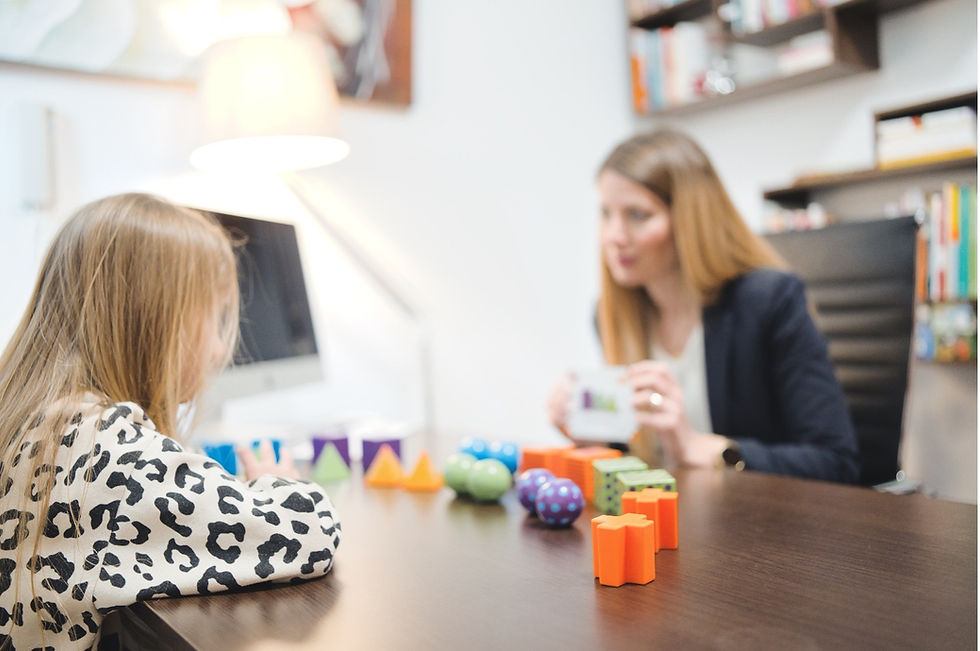
Many parents feel unsure about what later talker speech therapy in Adelaide looks like, especially for young children. Many parents expect a formal assessment with lots of questions and testing. Appointments for young children are often play-based and designed to help the clinician get to know the child.
Here is a practical overview of the speech therapy process for late-talking children in Adelaide.
Initial Parent Consultation
The first formal appointment is usually a parent consultation held without the child present. This allows the speech pathologist to gather a detailed picture of your child’s development, including their communication history, daily routines, interests and any concerns you’ve observed. Parents and caregivers hold incredibly valuable knowledge about their children, and this consultation ensures that insight forms the foundation of care.
Assessment of Your Child
Following the parent consultation, the speech pathologist will assess your child directly. For toddlers and young children, this often looks like play — because it is. Play-based assessment allows clinicians to observe how a child communicates naturally without the pressure of a formal testing environment.
Assessment may explore:
• How many words your child uses and understands
• How they communicate (gestures, sounds, words, or other means)
• Play skills and social interaction
• Oral motor skills if relevant
A speech pathologist for children in Adelaide will look at the whole child, not just word count. Communication is complex, and understanding all the factors at play leads to much better outcomes. At Nurture Allied Health SA, clinicians recognise that children communicate in different ways. Sessions are designed to feel safe, supportive and engaging rather than pressured.
A Personalised Therapy Plan
Once the assessment is complete, your clinician will share the results and work with you to develop a therapy plan. This plan is built around your child’s unique strengths, support needs, and your family’s goals and everyday routines.
At Nurture Allied Health SA, therapy is always neuroaffirming and strengths-based. Rather than focusing on deficits or trying to make your child’s communication fit a narrow mould, the team celebrates how each child communicates and builds on that foundation.
Ongoing Therapy Sessions
Therapy sessions for late-talking toddlers in Adelaide are typically play-based, child-led, and enjoyable. Children learn best through connection and fun, and Nurture’s clinicians use this knowledge to guide every interaction.
Sessions may involve strategies to build vocabulary, encourage turn-taking in conversation, model language in natural contexts, and support communication in everyday situations. Parents are always an important part of the process; clinicians will share strategies you can use at home to carry the learning into daily routines.
Therapy may be one-on-one, or it may involve group settings through programs like Nurture’s preschool group programs, depending on what suits your child best. Learn more about speech pathology here.
How Long Will Speech Therapy Take?
This is one of the most common questions parents ask.
There is no fixed timeline. Some children need support for a short period, while others benefit from longer-term therapy.
Several factors can influence progress, including:
• The child’s communication profile
• How often therapy occurs
• Opportunities to practise skills at home
• Individual learning differences
Late talker speech therapy is not a quick fix. Communication develops over time. Consistent support and realistic expectations often lead to the best outcomes.
Ready to Take the Next Step?
If you’re wondering whether speech therapy could support your late-talking toddler, Nurture Allied Health SA is here to help. As an autistic-led, neurodiversity-affirming practice, Nurture offers speech pathology for children in Adelaide with genuine warmth, expertise, and respect for every child’s unique way of communicating.
To get started, join the Nurture waitlist or give the team a call on (08) 8102 4209. You can also email admin@nurturealliedhealthsa.com.au or submit an enquiry via the contact form online.
Celebrating identity. Nurturing growth.
Frequently Asked Questions
How do I know if my child needs speech therapy?
If you have any concerns about your child’s communication development, it’s always worth speaking with a speech pathologist. Early intervention is one of the most effective tools available, and getting an assessment doesn’t mean there is definitely a problem; it simply gives you more information to work with.
At what age should a child see a speech pathologist?
There is no minimum age for a speech pathology assessment. Speech pathologists can work with children from infancy. If you’re noticing communication differences in your toddler, it’s appropriate to seek support at any age.
Will my child ‘grow out of it’ without therapy?
Some late talkers do catch up without formal intervention, particularly when their overall development is on track. However, waiting is not always the right choice. A speech pathologist can assess the likelihood of natural catch-up and help you make an informed decision for your child. Early support, even if preventative, rarely hurts.
What happens in a speech therapy session for a toddler?
Therapy for young children is almost always play-based. Your child won’t be sitting at a desk doing worksheets! Instead, sessions are built around their interests and involve games, books, songs, and activities that naturally encourage communication. The goal is for children to feel comfortable, engaged, and motivated.
How long does speech therapy take for a late talker?
The duration varies greatly depending on the individual child, the nature of their communication differences, and how consistently strategies are practised at home. Some children make rapid gains over a short period; others benefit from longer-term support. Your speech pathologist will review progress regularly and adjust the plan accordingly.


Comments